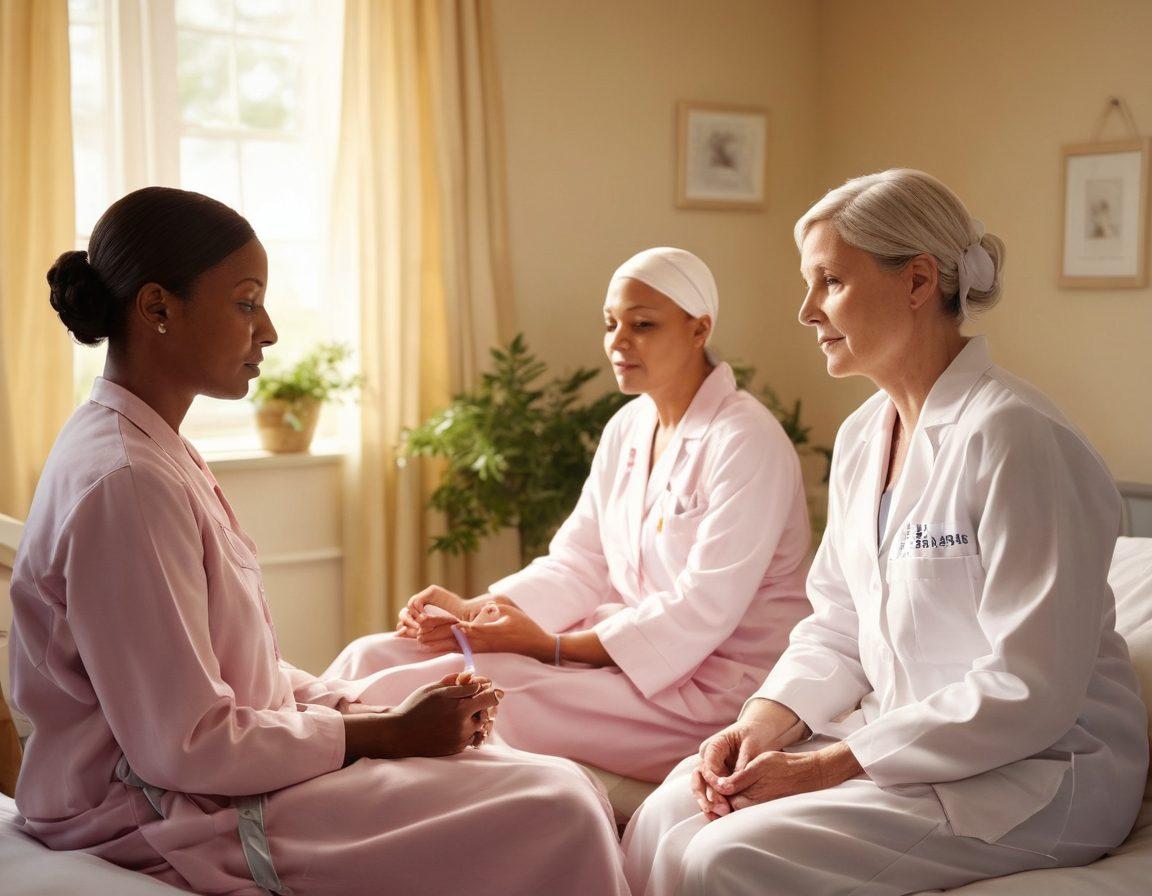
Navigating the Complex World of Carcinoma: Your Ultimate Guide to Cancer Care and Advocacy
Navigating a carcinoma diagnosis can feel overwhelming, yet understanding your rights in cancer care is a beacon of hope. What does it mean to have carcinoma, and how can you advocate for yourself along your journey in oncology? Carcinoma refers to a type of malignant tumor that originates from epithelial cells, and it's vital to comprehend your diagnosis fully. As you embark on this journey, remember you're not alone. There's a vast network of support, resources, and information that encourages and empowers patients. Let's delve into how you can better navigate this complex landscape and claim your rightful place in your cancer care.
Empowerment starts with education. Familiarizing yourself with the various aspects of carcinoma, including its types, treatment options, and potential side effects, brings clarity to what might otherwise feel like chaos. Whether you’re undergoing chemotherapy, radiation therapy, or exploring the promising realms of immunotherapy, understanding your treatment options can help mitigate fears. As an oncologist once said, "Knowledge is power. The more you know, the more you can take control of your health decisions." Have you taken the time to learn about tumor markers and how they inform your treatment plan? This is crucial in your journey toward patient empowerment and survivorship.
One essential element of navigating carcinoma is understanding your rights within the healthcare system. You have the right to prioritize your needs, express concerns about your treatment or clinical trials, and seek second opinions. Engaging in cancer advocacy can lead you to important cancer resources, from support groups to educational programs focused on cancer risk reduction and survivorship. Are you aware of what resources are available in your community? Connecting with local advocacy groups can open doors to invaluable support and knowledge that ensure your voice is heard during treatment decisions.
Communication with your healthcare team is vital. Always feel empowered to ask questions—no matter how small or mundane they may seem. Your oncologist, nurse, and all staff involved in your cancer care are there to support you, but they can only do so if you are proactive in discussing your concerns and preferences. Don’t hesitate to ask about possible side effects of treatments or inquire about palliative care options that align with your holistic health goals. How can you better foster a relationship with your care team to ensure it meets your needs?
Finally, consider the healing power of support groups. Engaging with others who share similar experiences fosters not just a sense of community but enhances emotional well-being. Many patients find solace in sharing their stories and learning from one another. As you navigate your journey, remember this comforting thought: "We are stronger together." Each story of survival and resilience adds to the foundation of knowledge in oncology research that helps pave the road for future treatments. What stories can you share to empower others? The pathway through carcinoma may be fraught with challenges, but with the right tools and support, your journey can transform into one of hope and empowerment.
From Diagnosis to Survivorship: A Comprehensive Toolkit for Navigating Carcinoma
Facing a diagnosis of carcinoma can feel like stepping into uncharted territory, where despair and hope often collide in a whirlwind of emotions. Think about it: what would it mean if your world suddenly began to revolve around terms like tumor, malignancy, and oncologist? These are not just medical jargon; they represent a potentially life-altering journey that many individuals find themselves on. What if we could walk you through that journey, from the moment of diagnosis to the triumphant stage of survivorship? Let’s explore how you can empower yourself with knowledge and harness the resources available to make informed decisions throughout your cancer care. After all, knowledge is power, and your life is worth every ounce of that power.
As you navigate the complex world of carcinoma, understanding your diagnosis is paramount. Carcinoma is a type of cancer that begins in the epithelial cells, which line the surfaces and cavities of your body. Whether that diagnosis comes with the ominous word 'neoplasm' or another medical term you haven’t heard before, realizing that you are not alone is incredibly important. This journey begins with your oncologist, who plays a crucial role in guiding you through the maze of options—from chemotherapy and radiation therapy to pioneering new treatments like immunotherapy. Armed with this knowledge, you can ask informed questions and take charge of your healthcare. What’s your first question for your oncologist?
It’s essential to delve deeper into the tools at your disposal for navigating your carcinoma diagnosis. The Oncology blog is a treasure trove of information, covering the latest breakthroughs in oncology research and the most effective cancer resources available today. You might find stories of others who faced similar challenges, illuminating paths to survivorship. Consider joining support groups, where you can share your experiences with people who truly understand what you're going through. Remember, your experience is valid! What are the side effects you're most concerned about, and how can you address those together with your healthcare team?
Engaging in patient education empowers you not just to fight back against cancer but also to advocate for changes in the healthcare system and promote cancer risk reduction for yourself and others in your community. An essential part of this journey involves monitoring tumor markers—substances produced by cancer cells that can hint at your treatment’s effectiveness. Clinical trials can also open doors to innovative treatments previously unavailable. Why not explore these options with your oncologist? You could be paving the way to new discoveries in cancer care and inspiring others with your story of resilience.
Finally, let’s talk about survivorship and the importance of holistic health practices in supporting your emotional and physical well-being. Palliative care isn't just for end-of-life; it plays a vital role in easing side effects and improving your quality of life throughout your treatment. It's crucial to listen to your body and nurture it with the love and care it deserves. What healthy lifestyle changes are you considering to complement your cancer journey? Together, through active participation in your story, you can transform a diagnosis into a story of triumph. Remember, survivorship isn't just a destination; it’s a journey filled with growth, empowerment, and hope. Now, what next step will you take today?
Exploring Treatment Options: Chemotherapy, Immunotherapy, and Palliative Care in Cancer Management
Navigating the complex landscape of carcinoma can feel like sailing through uncharted waters. The term 'carcinoma' encompasses a vast array of malignancies, each with its own unique challenges and triumphs. But don’t fret—you’re not alone in this journey. It’s crucial to arm yourself with knowledge about treatment options, from chemotherapy to immunotherapy and even palliative care, so you can make informed decisions that promote not only survival but also quality of life. As the renowned oncologist Dr. John Mendelsohn once said, 'Understanding your treatment options is the first step toward conquering cancer.'
When it comes to combating carcinoma, chemotherapy often takes the spotlight. This conventional treatment utilizes powerful drugs to target and kill rapidly dividing tumor cells. However, the journey through chemotherapy can be fraught with challenges, including side effects such as fatigue, nausea, and hair loss. Have you ever spoken to someone who has braced themselves for chemotherapy like a knight donning armor? Their courage is often as inspiring as it is relatable. They're a part of a community that knows the struggle, and patient advocacy groups are invaluable resources for navigating these turbulent waters.
In recent years, immunotherapy has emerged as a beacon of hope in the field of oncology. Unlike chemotherapy, which attacks all fast-growing cells, immunotherapy harnesses the body's immune system to combat malignancies more selectively. It’s one of the most exciting developments in oncology research. Studies show that certain patients see a significant reduction in tumor markers through immunotherapy, raising intriguing questions about how our bodies can be trained to fight cancer more effectively. Could your body’s defenses be the strongest weapon in this battle against neoplasms?
But it’s not just about fighting the cancer; survivorship matters too. Palliative care is essential for managing symptoms and addressing the psychological aspects of dealing with a malignancy. This type of support focuses on enhancing quality of life, regardless of the stage of cancer. Patients often express feeling empowered when they prioritize their holistic health, integrating emotional well-being with physical treatment. The road to recovery is often paved not just with chemotherapy and immunotherapy, but with compassionate care and support groups that uplift and encourage.
As you navigate your cancer journey, it’s vital to seek out cancer resources that emphasize patient education and empowerment. Ask your oncologist about clinical trials that may offer cutting-edge treatment options, or engage with local support groups to connect with others who share your experiences. Remember, the fight against carcinoma is not just about the individual; it’s a collective effort that thrives on community, information, and advocacy. With the right tools and support, you can transform this daunting diagnosis into a story of resilience and empowerment.